Sahra Al Jazeerah General Trading L.L.C
- UAE Head Office : +971 4 298 9656
- +971 509254681
- KSA Office : +966 561274581
- sajcouae@gmail.com
- M01, Alaslay Building, Gold Souq, Deira, Dubai, UAE
We Are Sahra Al Jazeerah General Trading L.L.C
Innovative Solutions for a Cleaner Planet
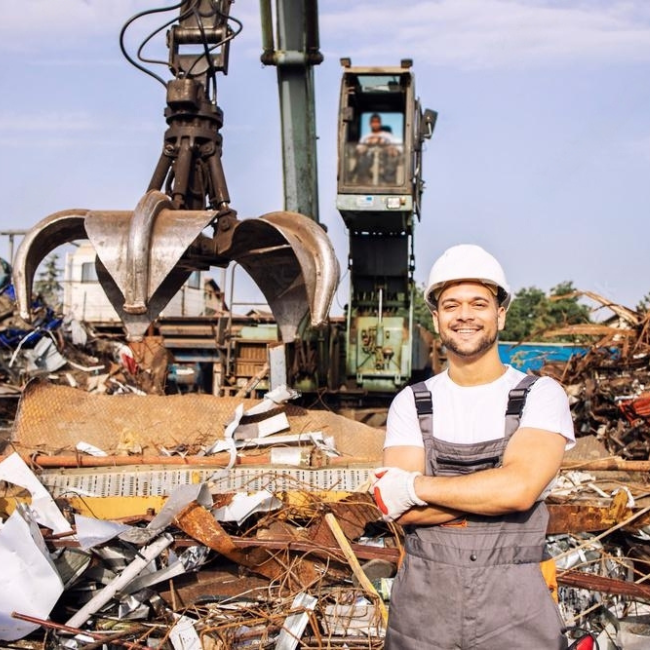
Metal recycling involves the collection and processing of scrap metal to be reused in manufacturing. The process typically includes sorting metals (such as steel, aluminum, and copper), shredding or crushing, melting the metals in furnaces, and then forming them into new raw materials like bars or sheets. This process reduces the need for raw material mining, conserves energy, and lowers environmental impact.
Recycling turns things into other things, which is like magic.
-Anonymous
About Sahra Al Jazeerah General Trading L.L.C
Our Vision for Cleaner Planet
Welcome to Sahra Al Jazeerah General Trading L.L.C, your reliable partner in the global recycling industry. We proudly serve a wide array of businesses, from processors and refineries to smelters and manufacturers, offering expertise in managing all key categories of scrap and recycled materials. Our specialization includes ferrous and non-ferrous metals such as aluminum, copper, lead, nickel, and zinc, with a strong focus on expanding into other essential materials. With a commitment to sustainability and innovation, we ensure that our practices not only meet but exceed industry standards, supporting the long-term goals of our partners and contributing to a greener future.
Our Services
Efficient Solutions for a Greener Tomorrow
We handle all major categories of scrap and recycled Ferrous, non-ferrous metals & miscellaneous , including Aluminium, copper, lead, nickel, and zinc, with substantial interest in other non-ferrous metals & Plastic Processing.
Ferrous metals contain iron, making them magnetic and prone to rust. Common examples include steel and cast iron. They are widely used in construction and manufacturing due to their strength and durability.
Non-ferrous metals do not contain iron, making them resistant to rust and non-magnetic. Common examples include aluminum, copper, and brass, often used in industries for their lightweight, conductivity
Miscellaneous” refers to a collection of various items or elements that don’t fit into a single category. In recycling, it may describe mixed materials or diverse scrap types that require different handling or sorting methods.
Management
Smart Solutions for Waste and Recycling
Due to the high amounts of carbon used when creating them, most ferrous metals and alloys are vulnerable to rust when exposed to the elements. While this isn’t true of wrought iron, which is so iron pure that it resists oxidization, or stainless steel, which is protected thanks to its high chromium content, it’s a good rule of thumb that if you see rust, it’s a ferrous metal.
Operations Management
Overseeing, coordinating, and optimizing business processes for maximum efficiency.

Environmental Compliance
Adhering to regulations for pollution control, waste management, and conservation.
Customer Service
Providing support, resolving issues, and ensuring satisfaction through effective communication.
Sustainability and Innovation
Developing eco-friendly solutions while advancing technology for long-term impact.
Corporate Social Sustainability
Corporate Social Sustainability refers to a company’s commitment to operating in a way that enhances both societal and environmental well-being. It involves integrating responsible practices that positively impact communities, employees, and the environment while maintaining profitability. By focusing on sustainable resource use, reducing waste, and ensuring fair labor practices, companies not only contribute to a healthier planet but also strengthen their long-term business success. Corporate social sustainability promotes a balanced approach where businesses can thrive without compromising future generations’ ability to meet their needs.
Take the First Step Towards Sustainability
Start your journey towards sustainability today: implement eco-friendly practices and make a positive impact.
